
Clean-up carried out on former Melton lock 150 years after it was last in operation
A lock on an historic former Melton Mowbray waterway has been given a massive clean-up 150 years after it was last operated for boats.
Eye Kettleby Lock, which is located at the town’s Rhubarb Island, was a vital part of infrastructure of the Melton Navigation, which linked Melton to the national canal network in the 1800s.
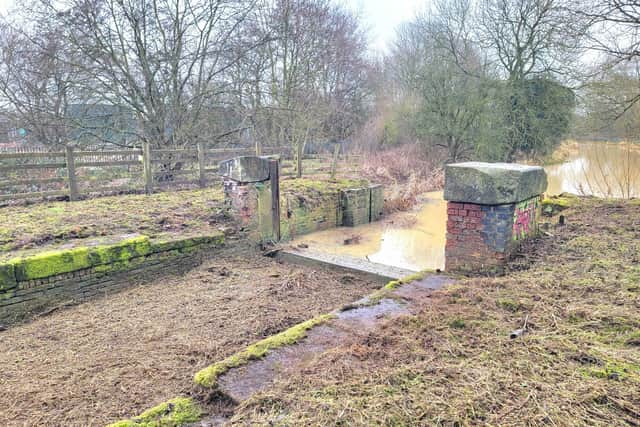

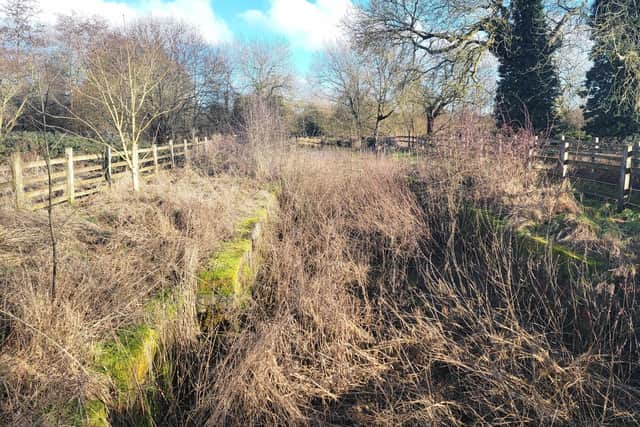
It lay hidden under thick vegetation for many years until work organised by members of the Melton & Oakham Waterways Society (MOWS) cleaned it up, funded by a grant from The National Lottery Heritage Fund.
Eye Kettleby was one of 12 locks on the Melton Navigation between the town and Syston and it enabled horse-drawn barges to bring cargoes of coal and building materials into the heart of Melton, with agricultural produce going in the opposite direction.
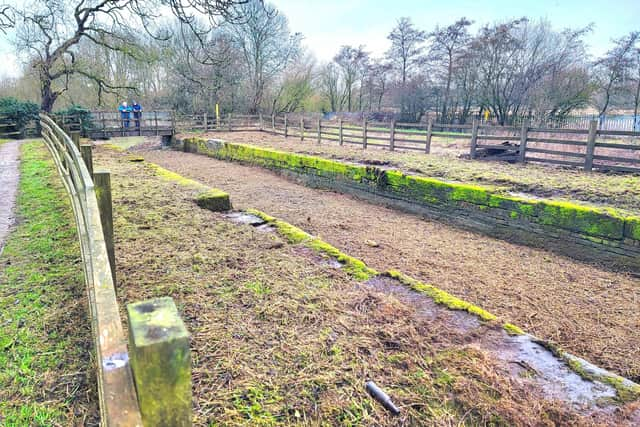
Ten of the 12 locks can still be seen and Eye Kettleby is the best preserved, despite 150 years having passed since it was last in use.
It enabled the barges to rise or fall by 8ft 2in, making it the deepest lock along the Navigation.
MOWS committee member, Geof Malone, told the Melton Times: “The lock was partially filled in with gravel many years ago by the Environmental Agency as a safety measure.
“The clean-up of the lock has been paid for by the Heritage Fund as part of a MOWS project to raise awareness of the Navigation and the role it played in Melton’s history.”
The project has also seen a series of talks and guide walks by historian Brian Fare – with more scheduled in the coming months – plus exhibitions at Melton Carengie Museum and the town library.
There is also a display in the window at Melton’s oldest secular building, 5 King Street, which was built in the 14th century. It shows the route of the Navigation as well as more details on how it operated.
Information boards will also shortly be placed at strategic points along the route of the Navigation, including at the locks.
MOWS is a charity formed in 1997 with the aim of restoring the Navigation, which operated from 1797 to 1877, so that vessels can once again sail into the heart of Melton Mowbray.