
Government must help bring rising petrol prices down
I hope that readers of the Melton Times had a happy and relaxing Easter weekend, and have enjoyed the recent sunshine - long May it last!
Easter gives us all an opportunity to spend time with family and friends, and to enjoy the events put on in Melton and around our area, but also to pause and reflect amidst the seemingly relentless pace of daily life.

As we look around the world we sadly see conflicts raging, in Ukraine, in Iran and the Middle East, and in a multitude of other places, and are reminded of the need to redouble our efforts to secure peace and de-escalation.
The military action by the USA and Israel against Iran, and the fall-out from that conflict, is already having a significant economic impact further afield, including here in the UK.

The most obvious impact being felt is in the increased price of energy and fuel, driven by the impact of the conflict on oil and gas supplies.
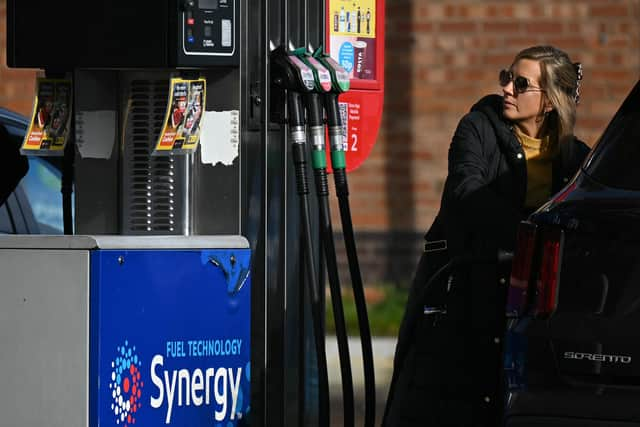
On petrol station forecourts we can see the price of fuel rising ever higher, something that has particularly affected 'red diesel', the fuel used in agriculture which has seen its price rocket.
While many factors feed into the cost of a litre of fuel, and its price is undoubtedly significantly vulnerable to global interruptions to supply and volatility, a large part of its cost to the driver is the VAT and the fuel duty tax imposed by the government on each litre of fuel sold.
While fuel duty is charged at a fixed rate per litre, VAT is charged at a percentage rate per litre based on the price a driver pays, so when the price per litre goes up the government receives more income from the VAT charged on it, income that it hadn't assumed it would be getting when it set its budget - it is, effectively a tax windfall for the government.
With drivers ever harder pressed by the price of fuel, the government has it entirely in its power to help drivers - it can simply use the windfall additional tax that the VAT on fuel has brought in given the higher prices, to offset cancelling the 5p rise in fuel duty the Chancellor has fixed for September.
I, and my Party, have called on her to scrap the 5p rise, and I am calling on her to use the extra VAT income the higher price of fuel has brought in to the Treasury, to pay for scrapping it.
And yet the government has so far refused to do so.
When Parliament resumes next week after the Easter break, I will again be pressing the government to do the right thing for motorists, particularly given how reliant many, especially in the rural communities around Melton and the villages, are on their car to get around, to get to work, and to live our daily lives, and calling on them to scrap the September 5p fuel duty rise.
We need to stand up for motorists and this is one simple way that the government could do so, if it chose to.