
DOGE-style audit set to be carried out on county council's finances
The new Reform UK administration is committed to carrying out a major audit of Leicestershire County Council.
The party controls 10 councils following May's local elections and leader Nigel Farage wants to launch a waste-cutting operation in all those authorities similar to the DOGE initiative led by Elon Musk in the United States.
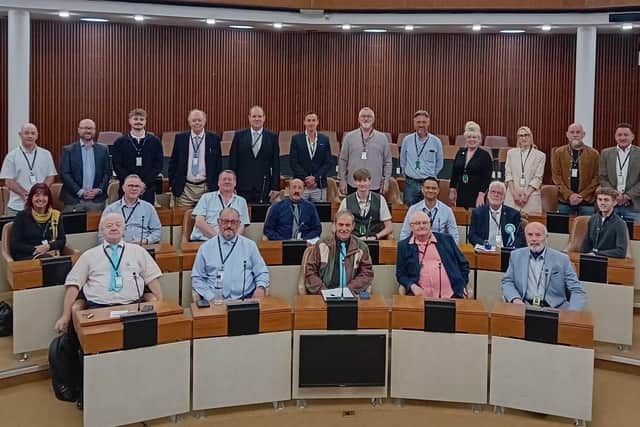

Leicestershire County Council has long prided itself on being one of the most efficiently run councils in the country, despite protesting about being one of the lowest funded by the government.
But, before the May elections, a Reform UK spokesman accused the then Conservative-led authority of ‘wasting staggering sums’, saying these included ‘over £35M on consultants in just three years and over £1M for interpretation and translation services over the last year’.
The party has started its audits at Kent County Council and its team is then expected to move on to each of the remaining nine councils it controls, including Leicestershire.
So, when can the county expect its own audit?
The Reform UK spokesman added: “[Kent is] the biggest one (council), so it will give us an indication of how long these audits will take and how they’ll go.
"I don’t think [councils are] being prioritised in order of importance or anything like that.
“It would just be done by whenever the team and the councils are able to get together and do them. But the intention is that they’ll (the auditors) go around to all the Reform-controlled councils.”
One of the concerns raised over the plans to audit Leicestershire County Council is where the money would come from to pay for this.
When the Local Democracy Reporting Service (LDRS) asked new leader Dan Harrison about this ahead of the first council meeting of the new term, he said they would ‘find’ it because the audit was ‘vital’.
Now, Reform UK has told the LDRS the audits will not ‘cost the public purse a penny’. This, the spokesman said, is because the team carrying them out has agreed to do the work ‘pro bono’.
The team will be made up of ‘leaders in their fields’, he added. These will include ‘software engineers, data analysts and forensic auditors’.