
East Midlanders told they are now officially living in 'drought' conditions
Residents living in the East Midlands have been told their region is officially experiencing ‘drought’ conditions.
Almost three-quarters of England now has this status as the country experiences yet another heatwave and amber health alert this week.
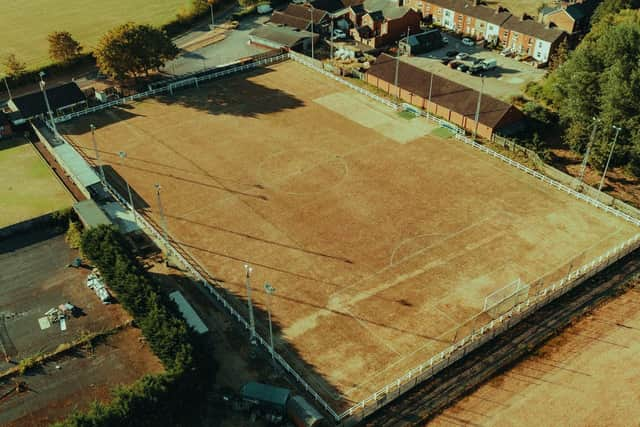

The National Drought Group has warned all regions of the country are experiencing pressure on their water resources - with increasing impacts across agriculture, public supplies, navigation, and the environment.
The East Midlands, Lincolnshire & Northamptonshire, Kent & East Sussex, and Solent & the South Downs became the latest to move into drought status this week.
Along with the areas announced last week, most of the country (71.3 per cent) is now experiencing a flash drought – which develops very quickly brought about by a combination of very low rainfall and higher temperatures.
This takes the total to 45 million people in a drought area. Over 27 million are now living under restrictions on water use.
In the East Midlands, the Environment Agency has been working with partners including fisheries, local councils and the Canal and River Trust on a number of drought-related incidents across the area.
This includes offering advice on reducing the impacts of low oxygen and water levels, controlling algae and other drought related impacts.
Rainfall amounts across the East Midlands have been below average for the past five consecutive months.
The spring and summer period has been the driest since 1995 and ranks as the fourth driest in a record spanning 156 years, with last month recorded as the driest July on record.
The Environment Agency have increased monitoring of river levels, flows and groundwater depth to ensure the correct regulatory decisions are made.
Tony Grayling, strategic drought lead at the Environment Agency and chair of the National Drought Group, said: “Drought conditions are worsening and will continue to do so until we see significant and sustained rainfall.
“We know the hot and dry weather is taking a real toll on farming and there will be long-lasting impacts on our environment.
“We want everyone to stay safe and hydrated over the summer, but we need everyone’s help in using a little less water to make sure our current water reserves last.
"Every drop we can save is a drop more for your local farmers, local wildlife and local rivers.”