
New Melton service to support neurodiverse needs of children and adults
A new service is available in Melton Mowbray to help children, adults and families better understand real-life challenges linked to autism, ADHD and learning differences.
The Newton Centre, based on Burton Street, has launched their Enhanced Screening pathway for those who are already experiencing practical, observable difficulties at home, in school, at work or in daily life.
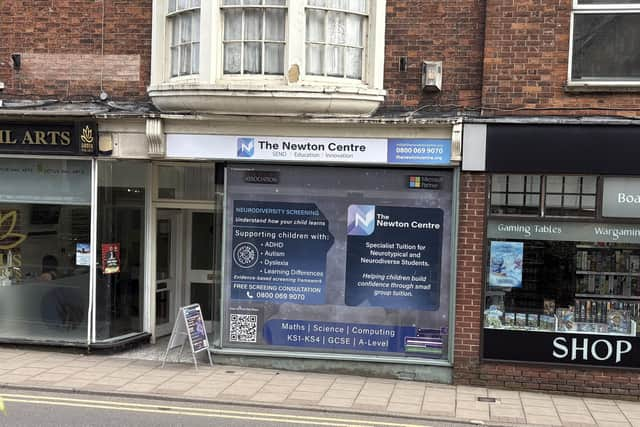

It is aimed at parents who may be dealing with school refusal, anxiety, meltdowns, shutdowns, sensory overwhelm, poor concentration, learning struggles, emotional outbursts, difficulty with transitions, social communication issues, low confidence or burnout.
And the pathway will also help adults experiencing life-long patterns of overwhelm, misunderstanding, relationship strain, work instability, sensory sensitivity, emotional exhaustion or difficulty coping with everyday demands.
The centre says the service provides a structured and evidence-led starting point for families who need clarity, support and direction.
Bjorn Miles, from The Newton Centre, said: “Many parents come to us because their child is struggling, but during that process they may start to recognise the same traits in themselves.
"They may realise that the sensory overload, anxiety, burnout, social difficulty, emotional regulation or executive-function struggles they see in their child are things they have also lived with for years.”
Unlike a simple checklist, the centre says, the enhanced pathway captures a wide range of information, including recognised neurodevelopmental screening data, AQ-based measures, executive-function information, developmental history, sensory and emotional regulation profiles, functional impact, home and school or work context, learning needs and collateral observations where available.
The pathway does not replace a formal diagnosis but the enhanced report is designed to significantly assist the diagnostic pathway by capturing and organising much of the evidence that clinicians, schools, GPs and families often need to understand before further assessment or support decisions are made.
Bjorn added: “Many parents are exhausted. They are trying to support their child, communicate with school, manage behaviour at home and understand what is going on, often while waiting a long time for answers.
“Our aim is to give families a clearer picture much earlier. If we can understand the pattern of need, we can help parents respond better at home, help schools understand the child more clearly, and help professionals make more informed decisions.”
Go to www.thenewtoncentre.org to find out more.