
NFU members, rangers, game and forest keepers, ornithologists and other bird enthusiasts from across Leicestershire, the region and beyond are getting involved.
The Big Farmland Bird Count (BFBC) will run until the 22 February and is organised by the Game and Wildlife Conservation Trust (GWCT) and sponsored by the NFU.
The launch took place at the trust’s Allerton Project in Leicestershire where the very first count took place 12 years ago.
The BFBC aims to also raise awareness of the important role that farmers and other land managers play in the conservation of our native farmland birds while highlighting the crucial support agri-environment schemes provide to make this happen.
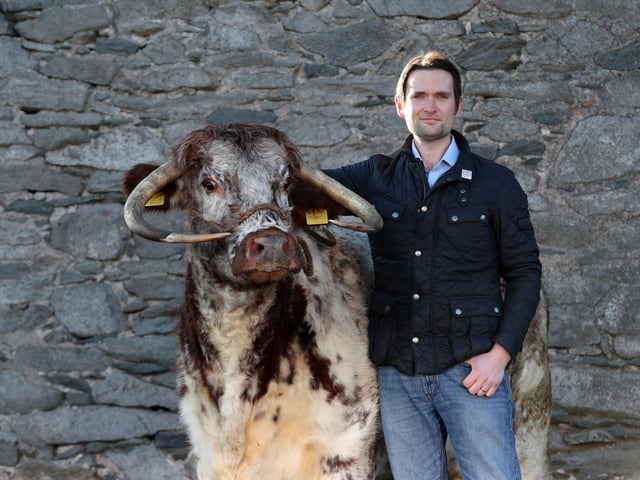
NFU Leicestershire, Northamptonshire and Rutland County Chair, Joe Stanley, said it was fantastic to host the launch at the Allerton Project where he is head of sustainable farming.
“The Allerton Project is the spiritual home of the country's biggest citizen science survey of farmland birds,” he said.
“Year on year we see some 1,500 farms and estates take part for just 30 minutes to see, hear and record the birds they find before uploading the data to the bird count portal.
“This serves three purposes; to build an ever-growing database of farmland bird populations across the country; to allow farmers to shout about the positive stories they have to tell about farm wildlife; and to give farmers a window to sit and connect with the nature on their farm, something they don't always give themselves time to do.
“The NFU, of which Allerton is a member, is the most significant supporter of the BFBC, so it was great to have Deputy President David Exwood on farm for the launch to talk about his own passion for the nature on his farm which is shared by so many in the industry.”
Research conducted by GWCT’s Allerton Project has demonstrated that farmland activities such as hedgerow management, supplementary feeding and maintaining well-managed habitats can noticeably increase bird numbers as well as the diversity of species on working farms. One key message of the count is that accurate records and consistent reviews are critical to understanding what truly works in conservation alongside the wider role agri-environment schemes have to play.
Mr Stanley said: “We have more than doubled our numbers within a decade by applying the 'three-legged stool' approach to conservation: providing suitable habitat, supplementary winter feeding and predator control, where required.
“Many of the solutions to the nature and biodiversity targets we have as a country are known to us, it just remains a matter of funding farmers to implement them on a larger scale.”
NFU Deputy President David Exwood who was a guest speaker at the launch told a packed room it was an important piece of work and efforts on his own farm to improve soil health and create habitats for birds to thrive were yielding results with evidence of many birds including snipes, starlings and skylarks.
He said: “The NFU is proud to sponsor the Big Farmland Bird Count. It is a fantastic event that we encourage all our members to get involved in. The count gives us a unique insight into our nation’s farmland birds, while showcasing a snapshot of the great work farmers do to protect the environment.
“From wetlands and hedgerows to woodlands and wildflower meadows, the UK is home to an array of biodiverse farmlands, and the count is a fantastic chance to see first-hand the birds and habitats farmers care so much about preserving.
“The Big Farmland Bird Count shows how agri-environment schemes like the Sustainable Farming Incentive (SFI) can make a real difference to the environmental work farmers do but it is vital that the scheme remains accessible for all active farmers so environmental ambitions can continue.”
Mr Stanley took the audience through the relentless, decades-long efforts by the project to balance food production with environmental work on its land.
The 80-strong crowd was then split into two groups to take an extensive walking tour of the Allerton Project's land and see that work first-hand.
They were escorted by knowledgeable staff who explained the painstaking endeavours to encourage birds and wider wildlife to flourish being undertaken at scale at the property.
Those taking part can input their counts instantly as they record out in the field or save the form in draft and complete and submit it later.
This is being done through the GWCT’s new digital portal called the PERDIXPro Fieldbook app although traditional count sheets can also be printed off and filled out.
Industry leaders and researchers continue to stress the importance of taking part in the BFBC as it provides valuable data for both conservationists and farmers.
Without it, those stewarding the land would have little evidence to know if the actions they take daily are worth the time and money while researchers would be blind to whether progress is being made on both UK and devolved governments’ environmental targets.
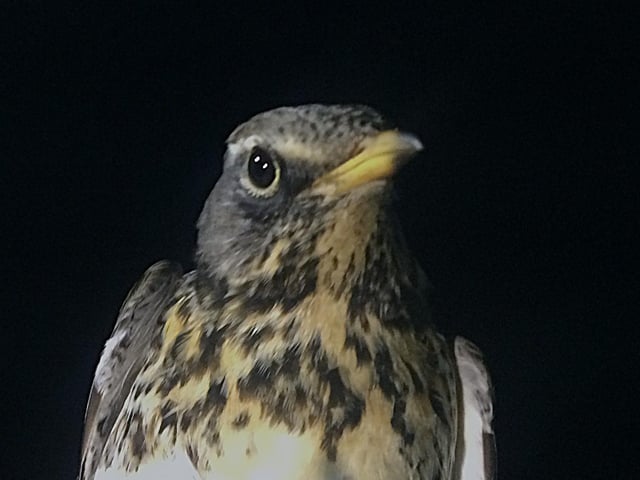
Last year nearly 359,000 birds were recorded with 125 species identified including 26 species on the Red List.
All the details of how to take part, bird identification guides and count sheets, are available on the Big Farmland Bird Count website www.bfbc.org.uk online.
During 2025 nearly 359,000 birds were spotted during 1,332 surveys and starling, woodpigeon and pink-footed goose were the most abundant species recorded.
The count recorded: 26 species on the Red List totalling 139,102 individual birds.
Of the farms that took part 44% of were providing supplementary feed to help birds through the winter and 65% of participants were in an agri-environment scheme.